TheCGBros CGInsider Newsletter
Editor's Note
What is Art?
The question “What is art?” has puzzled people for centuries, with answers reflecting various perspectives, cultures, and eras. Traditionally, art encompasses human expression through painting, sculpture, music, literature, and dance, serving purposes like aesthetic beauty, cultural expression, and personal exploration.
In the modern world, art’s boundaries have expanded to include digital art, performance art, and conceptual art. Digital art utilizes technology and the internet, performance art uses live acts to challenge norms, and conceptual art emphasizes ideas over finished products.
Artificial intelligence has recently entered the art scene, creating paintings, music, and poetry, and raising questions about creativity and the artist’s role. While some argue AI lacks emotional depth, others see potential in human-AI collaborations to push artistic boundaries.
Ultimately, defining art is a personal journey. As Richard Walter, a screenwriter, suggests, the least we want from art is not to be bored. Great art transforms lives, inspires, and connects us. In the age of AI and digital media, art continues to evolve, inviting us to explore new possibilities and redefine creativity. Whether traditional or contemporary, human-made or AI-generated, art remains a vital, transformative force.
Art in the Age of AI: A New Era of Creativity and Critique
This month in TheCGInsider Newsletter- August 2024: We’ve discussed over the last few months how artificial intelligence (AI) is rapidly transforming every facet of our lives. This month we directly talk about why the world of art is no exception. The advent of AI has ushered in a new era, where creativity and technology intermingle in unprecedented ways, challenging our traditional notions of what art is and can be. We delve into the profound implications of AI on art, exploring how it influences creation, critique, and the very definition of art itself!
The Definition of Art With Introduction of AI
AI-generated art has become increasingly prevalent, with sophisticated algorithms capable of creating paintings, music, literature, and even entire films. Tools like OpenAI’s DALL-E and GPT-4 have demonstrated that machines can generate visually stunning and contextually relevant pieces of art. These creations are not mere imitations but original works that often push the boundaries of creativity.
For instance, AI has been used to create portraits that mimic the styles of renowned artists like Van Gogh and Picasso. These works are not only visually appealing but also provoke deep philosophical questions about authorship and creativity. Who is the true creator—the machine that generated the image or the human who programmed it?
The Democratization of Art Creation
One of the most significant impacts of AI on art is its democratizing effect. AI tools have made it easier for individuals without formal training in the arts to create compelling works. This democratization is reminiscent of the way digital cameras and editing software revolutionized photography, making it accessible to a broader audience.
By lowering the barriers to entry, AI allows more people to express themselves creatively. This surge in artistic output aligns with Richard Walter’s observation that most contemporary art may not stand the test of time, but among the plethora of creations, some will undoubtedly be brilliant. The challenge, as always, lies in discerning the gems from the dross. (Richard Walter is a screenwriter, author of best selling fiction and nonfiction, celebrated storytelling educator, associate dean, entertainment industry expert and longtime professor and chairman of the celebrated, highly regarded graduate screenwriting program at the UCLA School of Theater, Film and Television.)
Enhancing Creativity and Productivity
AI can serve as a powerful tool for artists, enhancing their creativity and productivity. By automating repetitive tasks and providing new avenues for experimentation, AI enables artists to focus on the conceptual aspects of their work. For example, AI can assist musicians in composing melodies, suggest color palettes for painters, or even generate plot ideas for writers.
This synergy between human creativity and machine efficiency can lead to the production of more sophisticated and refined works of art. However, it also raises questions about the role of the artist. If AI handles the technical execution, what remains the artist’s unique contribution? This question echoes Richard Walter’s sentiment about the importance of engaging and transformative art. The artist’s role, then, may increasingly focus on the vision and emotional impact of the work, rather than its technical realization.
Collaborative Creation: Humans and Machines
AI’s ability to collaborate with human artists is another fascinating development. Projects like “The Next Rembrandt,” which used AI to create a new painting in the style of Rembrandt, exemplify this collaborative potential. These endeavors highlight how AI can augment human creativity, leading to works that neither a human nor a machine could produce alone.
This collaboration can also extend to performance arts. AI can generate real-time visualizations for concerts, assist in choreographing dance routines, or even participate in live improvisational theater. The interplay between human spontaneity and machine precision creates a dynamic and novel artistic experience.
Objective Analysis vs. Subjective Experience
The rise of AI-generated art necessitates a re-evaluation of how we critique art. Traditional art criticism relies heavily on subjective interpretation, informed by cultural, historical, and personal contexts. However, AI offers the possibility of more objective analysis, using algorithms to assess elements like composition, symmetry, and color harmony.
While this objective analysis can provide valuable insights, it must be balanced with the subjective experience of art. Richard Walter’s assertion that the least we want from art is not to be bored underscores the importance of emotional engagement. Great art transcends technical perfection; it resonates on a deeply personal level, transforming our perceptions and emotions.
AI as a Critic
AI is not only creating art but also critiquing it. Algorithms can analyze vast amounts of data, identifying patterns and trends that might elude human critics. For example, AI can evaluate how different audiences react to a piece of art, providing feedback that artists can use to refine their work.
However, the role of AI as a critic is controversial. Critics argue that art is inherently subjective and that a machine, devoid of human experience and emotions, cannot fully appreciate or evaluate it. This debate touches on the broader question of what it means to be human and how we value creativity and emotional expression.
Intellectual Property and Authorship
The integration of AI in art raises significant ethical and legal questions, particularly around intellectual property and authorship. If an AI generates a piece of art, who owns the rights to it? Is it the programmer, the user, or the AI itself? These questions challenge our traditional notions of creativity and ownership.
Furthermore, there are concerns about the potential for AI to infringe on existing copyrights. For example, if an AI generates a piece of music that closely resembles a copyrighted song, who is liable for the infringement? These issues will require new legal frameworks and ethical guidelines to navigate the complexities of AI-generated art.
The Potential for Bias and Manipulation
AI algorithms are only as unbiased as the data they are trained on. If the training data reflects certain biases, the AI will inevitably reproduce them. This is a significant concern in the realm of art, where cultural representation and diversity are crucial.
There is also the potential for AI to be used manipulatively. For example, deepfake technology can create realistic but fake videos, raising concerns about misinformation and the authenticity of digital content. Artists and technologists must work together to ensure that AI is used ethically and responsibly in the creation and dissemination of art.
The Persistence of Human Creativity
Despite the transformative potential of AI, the essence of great art remains unchanged. Richard Walter’s reflections on art remind us that, throughout history, most art has been ephemeral. The masterpieces that endure are those that resonate deeply and universally, transcending their time and context.
AI may change how we create and interact with art, but it cannot replace the fundamental human drive to express, explore, and connect. The true value of art lies in its ability to transform lives, to offer new perspectives, and to evoke profound emotional responses. These qualities are timeless and will continue to define great art, regardless of the tools used to create it.
The Role of the Artist in the AI Era
In the age of AI, the role of the artist may evolve, but it remains indispensable. Artists will continue to be the visionaries who push the boundaries of what is possible, using AI as one of many tools in their creative arsenal. The challenge for artists will be to harness the power of AI while maintaining the authenticity and emotional depth that defines great art.
As Richard Walter poignantly puts it, the least we want from art is not to be bored, but the most we want is for our lives to be changed. This remains the ultimate aspiration of art, whether created by human hands, machine algorithms, or a combination of both.
Embracing the Future of Art
The age of AI presents both exciting opportunities and profound challenges for the world of art. AI has the potential to democratize creativity, enhance artistic expression, and redefine the way we critique and appreciate art. However, it also raises important ethical and philosophical questions about authorship, bias, and the nature of creativity.
As we navigate this new landscape, it is crucial to remember that the essence of art lies in its ability to touch our hearts and minds. Whether created by humans, machines, or a collaboration of both, great art will continue to inspire, challenge, and transform us. By embracing the possibilities of AI while remaining true to the timeless values of artistic expression, we can look forward to a future where art thrives in ever more diverse and innovative forms.
In the end, the integration of AI into the world of art is not about replacing human creativity but augmenting it. It is about exploring new frontiers and expanding the horizons of what art can achieve. As we move forward, let us celebrate the unique contributions of both human and artificial intelligence, and continue to strive for art that is not only engaging but also life-changing.
Let us know what you think at TheCGBros.com! If you found this information interesting or valuable, please be sure to “spread the word” and pass this newsletter along to your friends and colleagues. Word of mouth is still the best form of advertising 🙂 Don’t miss next month’s issue of the CGInsider newsletter!
How did your video perform on TheCGBros YouTube Channel?
Your video has been showcased on TheCGBros YouTube Channel and it reached a worldwide audience. No doubt, you expected a few things – like getting easier access to a larger audience than you could on your own; helping to boost your resume; helping you land your dream job or interview. How did we help you meet those expectations? Tell us about your experience; we’d love to hear about it. We may feature your testimonial on our website, YouTube Channel, or across our professional network. Please click below to provide us a few words, upload an image, or short video clip.

“This an excellent opportunity to show my first video on the greatest platform on YouTube! The CGBros is equivalent to the highest quality and has been an inspiration to me for many years.“
Miloš Belanec
VIDEO OF THE MONTH:
"The Day The Snow Burned" - by ECV
TheCGBros Presents “The Day The Snow Burned” – In a post-apocalyptic world, bleak, desolate in the snow, a man struggles to survive with his dog as his only company. One day, while looking to get warm, he discovers a small creature which turns out to be made of fire…
Runners up:
"Instinct"
- by ESMA
"Mr. Flower"
-by ESMA
News Articles "On the Edge"
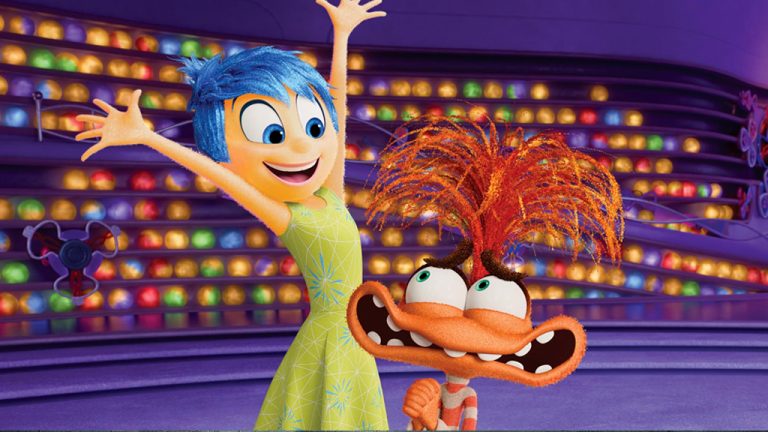
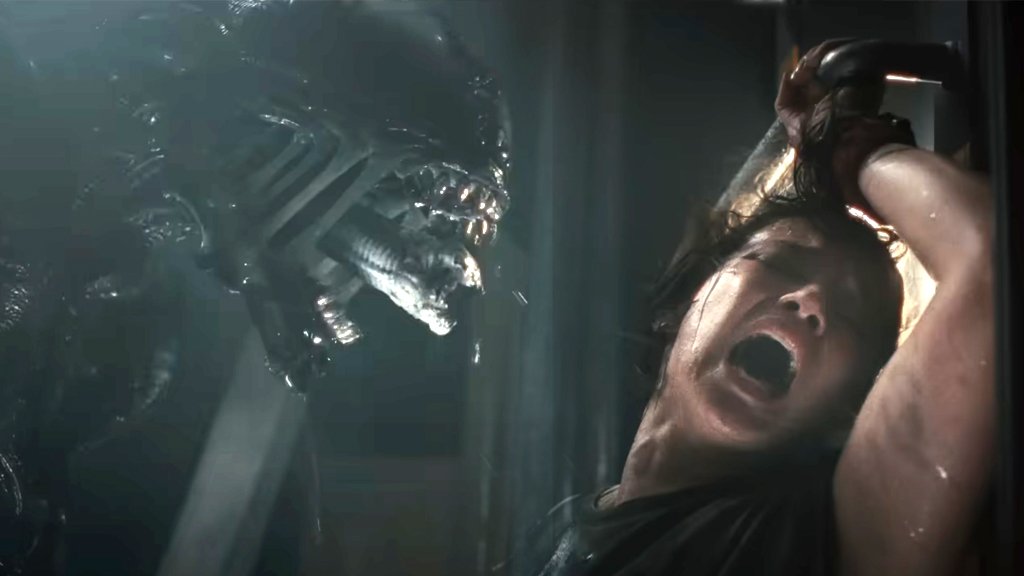
The CGInsider Newsletter & Podcast
TheCGBros CGInsider Newsletter is your direct access to industry insider and entertainment news. This includes access to our extensive archive of newsletter and interview content. and we invite you to sign up if you love great CG entertainment. You’ll receive the following:
- Subscription to The CGInsider Newsletter
- Access to The CGInsider Podcasts
- Personally autographed caricature of TheCGBros
- Entry into a drawing to receive Official TheCGBros Gear
- 5% discount on anything in TheCGBros Store
- Other Resources, and Special Offers
Don’t let your friends miss out on this opportunity either! Forward this email to them and tell them to click HERE to JOIN. That’s all there is to it. Welcome aboard!
Two years ago, after encouragement from fans and consistent with our mission to provide our members with relevant and quality content, we launched our own Podcast: TheCGBros CGInsider Podcast. In it, we answered many questions that our fans have been asking. We also discussed trends and relevant topics about computer graphics imagery, jobs in the video industry, animation, gaming, A.I. and much more.
Although we have taken a short break from producing the Podcasts, planning to resume them with even better production value and content in the future, please check out our more than 4 seasons of relevant, insightful and entertaining audio and video podcasts!